
Tech EU News
Baku: into tomorrow’s world – life


http://www.euronews.com/ In this edition of Azerbaijan Life we go to the capital of the country, Baku, to see and hear how the city is moving into the future.
Baku is on the western shores of the Caspian Sea. Its heartbeat is the vibrant old city.
Scholars believe the earliest written evidence of Baku dates back to the first century AD. Sieges and battles have raged around its walls since. Baku’s history reflects the changing cultures and architectural styles here at the crossroads between Asia and Europe.
Khanum Babyeva, a guide at the Research and Cultural Centre explained more about the buildings: “Baku is a very, very interesting city because Azerbaijani people call it a city of contrasts. Why a city of contrasts? It’s because of this new construction and the old places. The Maiden’s Tower and then the Palace with the Minaret. Behind me are three beautiful new buildings which are the symbol of modern Baku.”
The iconic flame towers, the facades of which are turned into gigantic display screens at night dominate the city’s skyline. The country’s centuries old carpet making industry is celebrated in a stunning new museum as a traditional craft and culture meets futuristic design which reflects the story of this developing city.
“For tourists its is very interesting as in one city they can see different periods of time, different cultures. In order to just observe these cultures they had to go to Spain, Arab countries or to central Asia but in one city they can see all these cultures all this architecture,” added Khanum Babyeva.
Within the walls of the old city – a UNESCO world heritage site – is what is to date the world’s only private museum of its kind.
Visitors can view over 5,000 published books in miniature, collected from 64 countries many by authors known across the globe.
Zarifa Salakhova the museum owner explained her interest in these tiny books. “Minature books is an art form and the smaller the book the greater the artistic development.”
Factfile: Azerbaijan
* Where: Azerbaijan shares its borders with Caspian Sea to the east, Russia to the north, Georgia to the northwest, Armenia to the west, and Iran to the south.
* History: The country gets its name from Atropates, a Persian nobleman. In modern Persian translates to “The Treasury” and “The Treasurer” of fire or “The Land of the Fire”.
* Area: 86,600 sq. km.
* Population: 9,168 millions.
* Official Language: Azerbaijani
* Economy: Oil and natural gas. Azerbaijan is one of the birthplaces of the oil industry and produces about 800,000 barrels a day and one billion cubic meters of gas per year.
* Currency :Azerbaijani Manat. It is divided into 100 qepik.
* Major Religion: Islam
* Drink: Tea is the most popular drink. It is traditionally served in a pear shaped glass and often consumed through lumps of sugar or jam, held in the mouth.
* Rivers: There are 8,350 rivers in Azerbaijan and all of them drain into the Caspian Sea.
* Capital: Baku. It is located on the southern shore of the Absheron Peninsula. Its name in Persian means “Wind-pounded city”. The city is the scientific, cultural and industrial centre of the country with an estimated population of 2,064 millions.
The old city overlooks the Caspian Sea. All is not well in these waters. The sturgeon fish and country’s world famous wild caviar are under threat. On the Kura River which flows into the Caspian Sea is one example of how Azerbaijan is preparing to protect its industry of caviar and take it into tomorrow’s world with a special and unique ecological farm for sturgeon.
It is one of the oldest families of fish in existence, its caviar eggs renowned and sought after for centuries at tables across the world, but the clock is ticking.
“Sturgeon fish is on the verge of extinction. No more wild caviar if we don’t do something about it now,” said Ahadpur K the man behind the initiative.
Under strict ecological conditions there is a breeding programme in place. Each stage of development of every fish is closely monitored. After five years they are released into the fresh water.
“Caviar fish is like salmon, for example, from whichever river they entered the water when they have caviar they return to the same river to lay eggs,” added Ahadpur K.
Find us on:
Youtube http://bit.ly/zr3upY
Facebook http://www.facebook.com/euronews.fans
Twitter http://twitter.com/euronews
source
In this episode of Futuris, Euronews finds out how EU researchers are developing migration data to create new opportunities.
READ MORE : https://www.euronews.com/2020/11/16/how-migration-data-is-being-used-to-boost-economies
Subscribe to our channel: https://www.youtube.com/c/euronews?sub_confirmation=1
Watch our LIVE here: https://www.youtube.com/c/euronews/live
Subscribe to our thematic channels:
NoComment: https://www.youtube.com/c/nocommenttv?sub_confirmation=1
Euronews Living: http://bit.ly/2sMsaDB
Knowledge: https://www.youtube.com/c/euronewsknowledge?sub_confirmation=1
Euronews is available on YouTube in 12 languages: https://www.youtube.com/user/euronewsnetwork/channels
#Futuris
source
This summer the World Cup will be watched live on TV the world over, and it is all thanks to satellites thousands of kilometres above the earth.
Each goal, each foul, the joy and the pain will be relayed from the pitch to the living room within an instant, by bouncing the TV signal off an electronic platform floating high above the equator.
But how exactly does it work, how are the satellites managed from the ground and what risks do they face in orbit?…
While it’s unlikely any of us will be bitten by a radioactive spider, the gene therapy techniques used in ‘Spider-Man: Brand New Day’ are not so far from reality…
Gene therapy is a promising medical approach to treat diseases by targeting their genetic causes. To find out more about how it works and what its limitations are, we spoke to expert Alberto Auricchio.
Read more: https://www.euronews.com/programs/euronews-tech-talks
⬇️ Always stay informed ⬇️
👉 Follow all the news on 📲 https://euronews.com
👉 Subscribe ► https://www.youtube.com/@euronews
👉 Watch our LIVE here: https://www.youtube.com/c/euronews/live
🌎 Follow us:
Facebook: https://www.facebook.com/euronews
Twitter: https://twitter.com/euronews
Instagram: https://www.instagram.com/euronews.tv/
📌 Subscribe to our thematic channels:
NoComment: https://www.youtube.com/c/nocommenttv?sub_confirmation=1
Euronews Green: http://bit.ly/2sMsaDB
Euronews Next: https://www.youtube.com/c/EuronewsNext?sub_confirmation=1
Euronews Travel: https://www.youtube.com/c/EuronewsTravel?sub_confirmation=1
Download our new app to receive all the latest updates from Europe’s newsroom: https://apps.eur.ws/8HQ4
source
While its per capita emissions are quite low, India is a major contributor to global greenhouse gas emissions.
READ MORE : https://www.euronews.com/2022/10/20/un-chief-guterres-pressures-india-to-act-on-climate-change
Subscribe to our channel: https://www.youtube.com/c/euronews?sub_confirmation=1
Watch our LIVE here: https://www.youtube.com/c/euronews/live
Subscribe to our thematic channels:
NoComment: https://www.youtube.com/c/nocommenttv?sub_confirmation=1
Euronews Green: http://bit.ly/2sMsaDB
Euronews Next: https://www.youtube.com/c/EuronewsNext?sub_confirmation=1
Euronews Travel: https://www.youtube.com/c/EuronewsTravel?sub_confirmation=1
Euronews is available on YouTube in 12 languages: https://www.youtube.com/user/euronewsnetwork/channels
#World
source
Tech EU News
Gene-edited babies: The science and ethics of altering DNA before birth | Euronews Tech Talks
In the summer of 2026, two academic studies revived the debate on embryo gene editing, a technique that consists of manipulating the DNA of a human embryo for reasons ranging from better understanding human development to preventing disease and disabilities. How safe is this practice? Will there soon be gene-edited babies? Is it even ethically correct to modify an embryo?
Read more: https://www.euronews.com/programs/euronews-tech-talks
⬇️ Always stay informed ⬇️
👉 Follow all the news on 📲 https://euronews.com
👉 Subscribe ► https://www.youtube.com/@euronews
👉 Watch our LIVE here: https://www.youtube.com/c/euronews/live
🌎 Follow us:
Facebook: https://www.facebook.com/euronews
Twitter: https://twitter.com/euronews
Instagram: https://www.instagram.com/euronews.tv/
📌 Subscribe to our thematic channels:
NoComment: https://www.youtube.com/c/nocommenttv?sub_confirmation=1
Euronews Green: http://bit.ly/2sMsaDB
Euronews Next: https://www.youtube.com/c/EuronewsNext?sub_confirmation=1
Euronews Travel: https://www.youtube.com/c/EuronewsTravel?sub_confirmation=1
Download our new app to receive all the latest updates from Europe’s newsroom: https://apps.eur.ws/8HQ4
source
Burton Albion and England’s inspiring community star ⭐
Swimwear Showcase by Blue Fashion Beach at Spring 2012 Milan Fashion Week MFW | FashionTV – FTV
How can Greece meet the rising housing demand?
Rangers have no other option than to start looking for a new manager
NATO’s top military commander said the alliance is “ready to fight”
Rodri controlled everything
Latest news bulletin | October 1st, 2026 – Morning
Respect Always 🤝 #athletics #marathon
The ultimate commentators curse 😭
Former Ukrainian military officer to stand trial in Germany over Nord Stream sabotage
‘Climate change is very much related to travel costs,’ says tourism chief
Latest news bulletin | September 15th, 2026 – Evening
The Ring is coming to Warsaw!
Mélenchon declares ‘Bastille retaken’ after major student rally in Paris
Latest news bulletin | October 5th, 2026 – Evening

euronews U talk – Education: Balancing costs and benefits of the Bologna process

Video: Vigilantes chase, whip women in ‘anti-prostitution’ raid on Peru night club

Battery power: the hunt for stable renewable energy storage

G7 summit looks to bolster recovery – economy

Hamas elects Yahya Sinwar as Gaza leader
🏴 EFL CHAMPIONSHIP STADIUMS 2025/26

Go Behind The Scenes with Vanessa Hessler for Clips Fall/Winter 2012-13 Campaign Shoot | FashionTV
Miedema strikes to get Arsenal back on track ⚡ | Arsenal 1-0 Everton | WSL highlights
INVINCIBLE. 🏆 | The best of Granit Xhaka for Bayer Leverkusen in 2023/24 🔥

“There’s got to be a clear-out” 😤 | What’s next for Rangers after Celtic defeat?
Carlsberg CEO

Student trip to Mallorca fuels Spanish COVID-19 outbreak
Why Sweden’s Krona is Outperforming the Euro
Electric anti-rape underwear developed to protect women in India

Victoria’s Secret Fashion Show 2013-2014 ft Taylor Swift & Adriana Lima| FashionTV
-
 Tech EU News3 years ago
euronews U talk – Education: Balancing costs and benefits of the Bologna process
-
 Another Europe News2 years ago
Video: Vigilantes chase, whip women in ‘anti-prostitution’ raid on Peru night club
-
 Tech EU News3 years ago
Battery power: the hunt for stable renewable energy storage
-
 Tech EU News3 years ago
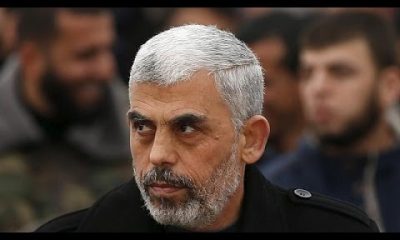
Hamas elects Yahya Sinwar as Gaza leader
-
 Another Europe News3 years ago
G7 summit looks to bolster recovery – economy
-
Sports EU1 year ago
🏴 EFL CHAMPIONSHIP STADIUMS 2025/26
-
 Fashion3 years ago
Go Behind The Scenes with Vanessa Hessler for Clips Fall/Winter 2012-13 Campaign Shoot | FashionTV
-
Sports EU2 years ago
Miedema strikes to get Arsenal back on track ⚡ | Arsenal 1-0 Everton | WSL highlights
-
Sports EU2 years ago
INVINCIBLE. 🏆 | The best of Granit Xhaka for Bayer Leverkusen in 2023/24 🔥
-
 Sports EU2 years ago
“There’s got to be a clear-out” 😤 | What’s next for Rangers after Celtic defeat?
@2nelchin
March 17, 2024 at 10:46 am
What caviar? Only tasted when I was child. I would say caviar is such food that not only upper-middle class population but also the Richs cannot afford to eat in Azerbaijan
@user-kx5wg6lj7o
March 17, 2024 at 10:46 am
AZERBAIJAN LAND OF FIRE
@seidbabayev4390
March 17, 2024 at 10:46 am
very good
@ilvharmonicas
March 17, 2024 at 10:46 am
Great video!